48 Things To Know About Aquarium Plants' Best Light Color
This time, we're going to talk about Best Light Color For Aquarium Plants. There is a lot of information about Aquarium Light Settings For Plants on the internet, of course. Social media are getting better and better quickly, which makes it easier for us to learn new things.
Is Red Light Good For Aquarium Plants and Lighting Requirements for Plants in Community Aquariums are also linked to information about What Color Light Is Best For Aquarium Fish. As for other things that need to be looked up, they are about Best Aquarium Light To Prevent Algae and have something to do with Aquarium Light Settings For Plants.
 Save
Save
48 Things About Best Light Color For Aquarium Plants | best light color for aquarium plant growth
- Tank size – Not all aquarium tank lights will fit or be able to provide adequate lighting to every single aquarium tank size. It’s important to know what your tank dimensions are. Brands such as Twinstar denote aquarium tank sizes in their model numbers. These refer to LED light fixture length measurements in millimeters. For example: Source:
Internet - It is advisable to use a timer to turn lights on at a set time and off at a set time every day. Consistency is necessary for best plant growth and for fish to develop a regular life cycle. Can you leave lights on 24 hours a day without killing your fish? Yes. Is it advisable or even humane? No! Setting the lighting to be on at least 8 hours to 12 hours per day is best, depending on the home schedule of the viewers. The community aquarium is there for your viewing enjoyment, so set the light cycle to be on when observers are more apt to be in the room. Source:
Internet - Just looking at how much Kelvin your aquarium light emits is not sufficient. People often recommend a light temperature of 6500K because this is similar to the sun. This is great to see your fish, but when it comes to plant requirements it’s a little more complex. Source:
Internet - The amount of light you need depends on the plants you choose in the aquarium. Generally, it can be said that 20-40 lumen per liter is sufficient. So, in this case, you need at least 800 lumens of light for an aquarium of 40 liters. Source:
Internet - Planted tanks with high depth usually benefit from blue light as it reaches down to roots and stimulates growth. Blue light helps plants to become bushier and reach a denser vegetative state. Furthermore, it enhances the leaf coloration and contrast. Source:
Internet - It’s no secret that plants need light. It’s the same for aquarium plants. But not just any aquarium lighting will do. Source:
Internet - Is it okay to turn on the lights if a visitor comes at an odd hour and wants to see the community aquarium in all its lighted glory? Yes, it is okay occasionally, but remember; it will take 20 to 30 minutes for the fish to fully “wake up” and become as active as they are in a normal light cycle. It is important to remember: a well-run community aquarium simulates nature as closely as possible. In nature, the sun comes up every day and goes down every day, and the sun does not come on in the middle of the night. Remember this when deciding to turn on the aquarium light out of the cycle. It is okay sometimes, but it is not natural to your fish and their life. Source:
Internet - Blue lights have a calming effect on the fish. However, sometimes fish get freaked out as they see each other color differently in blue light. So you may face some aggression issues in the early days until your fish get used to the blue effect. Source:
Internet - Blue light is commonly referred to as moonlight. Many aquarists use it for encouraging physical activity in nocturnal fish. But, is blue light good for aquarium plants? Source:
Internet - Features – Numerous unique features can be found in Twinstar, ONF and Ultum Nature Systems aquarium LED lights. Common features include, adjustable legs, bluetooth capabilities for phone app control, touch sensitive buttons, heat dissipation fins and suspension wires. Depending on your needs some of these features may be worth looking into. Source:
Internet - This is our go-to spectrum and we HIGHLY recommend this spectrum for most freshwater aquariums. Nothing brings out the vivid colors and enhances your tank like a full, rich RGB (Red,Green,Blue) spectrum of light. It not only makes your fish pop in color, it also won't promote algae growth. Source:
Internet - TIP for LIVE RED Plants: To enhance red and purple colors in live red plants, increase the Blue and Green wavelengths and dial down the Red. (Red plants can reflect red light away and need to absorb more green and blue for anthocyanin production.) Source:
Internet - You may have seen the term “full spectrum” used to describe plant lighting. Unlike color-enhancing bulbs, full-spectrum lighting is more like sunlight. That’s the kind of light quality aquarium plants need to survive in your tank. Source:
Internet - To reduce the chances of algae, you have to balance the light intensity, carbon availability, and fertilizers. When there is too much light in an aquarium, plants require more CO2 and nutrients. If the demand is not met or balanced, you get algae in your tank. Having high-powered lights left on for many hours a day is one of the main reasons for algae nuisance. Source:
Internet - We hope that this planted aquarium LED light guide will help in your next successful planted tank. Once again, we want to emphasize how important the balance of aquarium lighting, CO2, and nutrients are in creating a flourishing aquascape are. If all three are present and readily available then all that’s really needed is proper aquarium maintenance for aquarium plants to prosper. Source:
Internet - Yes, aquarium plants will definitely grow under LED as long as the light emits in the right spectrum. Regular white LEDs are great and will allow your plants to thrive. Just make sure you know what brightness your plants desire. Source:
Internet - To clear your doubts, blue light is safe and ideal for aquarium fish. They retain the necessary warmth in the tank and add to the aquarium’s appearance. Also, if you have hyperactive fish species, blue aquarium lights help calm them down. Source:
Internet - Budget – Having the right budget matters. More budget means more features and/or larger LED fixture. There are budget-friendly high-quality planted aquarium LED light solutions such as the Twinstar C Series LED Light. Usually, lesser budget means lesser features and not necessarily cheaper in build or quality. We would not hesitate to use or recommend a lower cost alternative if our aquatic plant choice or planted tank setup is fit for it. Source:
Internet - Fluorescent light fixtures have been around for decades. The light bulb sits inside a reflector on top of a plastic aquarium cover. You can retrofit this type of fixture with a full spectrum T-5 bulb, but there are better options! Source:
Internet - Choices are always better. However, full-spectrum white bulbs are the most common choice when it comes to aquariums. They do the work of illumination and support the growth of the fish. However, white lights aren’t optimal for plant growth. Source:
Internet - Choosing the correct light fixture for your aquarium can make a lot of difference. The use of blue aquarium lights is gaining prominence for the right reasons. If you are looking for a versatile light set up for the plants and the fish in the tank, this is your ideal choice. Source:
Internet - and so forth. This means that a Twinstar 360E: fits a UNS 5N, 600E: fits a UNS 60U and 900S: fits a UNS 90P. Keep in mind that it’s not advisable or aesthetically pleasing to try and fit a larger aquarium light on a smaller aquarium tank due to potential hazard as well as too much light output. We also provide a size guides on all our planted aquarium LED light product pages for correct reference. Below are several examples: Source:
Internet - The sleek housing sits on slender metal mounting legs. The legs are adjustable to fit a variety of aquarium widths. There are four sizes that fit tanks ranging from 16 up to 60 inches wide. Source:
Internet - But the light that it casts in the tank is very unattractive. The white LEDs give off this kind of sickly green-yellow color that I did not like. I tried playing around with the limited color changing available to make it look better, but without much success. Source:
Internet - Fluorescent and LED light sources are commonly used in aquarium lighting. LED lighting is frequently preferred in aquariums due to its slim design, cold operating temperature, and low cost. There is a wide choice of LEDs for all types of the water environment. Source:
Internet - Instead think of it this way, if you drive up the amount of lights your plants get, they want to grow faster. If the amount of nutrients and CO2 in your aquarium water can’t keep up, your plants will start to show signs of this imbalance. Examples are leaves dying off. Source:
Internet - An aquarium light does more than serve as a mode of illumination in the tank. The use of correct lighting in the tank influences the quality of the fish species in the tank. Unfortunately, many beginner aquarists overlook the importance of including a visible light spectrum in the tank. Source:
Internet - The other job of blue light is to give the appearance of natural moonlight in an aquarium. It offers nocturnal fish the illumination they might need to act during the nighttime. Under dim blue light, you can watch your fish and feed them. Moreover, it helps provide comfort to diurnal species that might get scared in complete darkness. Source:
Internet - It’s important that you understand the type of plant life you have in your aquarium in relation to it’s depth. Different plants will need low, medium, or high light intensities. Again, this is why it’s always nice to have a dimmable feature, as it allows you to adjust the strength. And if you decide you want to change the contents of your tank, you won’t have to buy a new fixture. Source:
Internet - Blue light is good for aquarium plants as it is the most important part of the light spectrum for driving photosynthesis. Plants grown under blue light abundantly will have strong and healthy leaves and stems. Also, blue light enhances the color of aquatic plants which helps aquarium to look more rich and vibrant. Source:
Internet - If you are looking to enhance the blue, red, even the shiny silver colors in your fish, this is a perfect color spectrum. It’s usually has a higher level of blue spectrum light and is very crisp as it mimics clear, clean water. It's ideal for enhancing the blue colors found in neons and cardinal tetras, as well as many species of African and South American cichlids. Source:
Internet - LED fixture uses a variety of colored light emitting diodes to create very specific types of lighting. Some are designed to provide cold-looking white light. Others create a warm glow. Source:
Internet - If you are just starting out, it is easier to opt for a low light aquarium. Your plants will grow slower, but it is much easier to grow healthy plants. Fortunately, most plants will grow under lower lighting, so we always mark the ones that need higher lighting. Lower lighting means less CO2 required and less fertilization. There is also less risk of an algae outbreak! Source:
Internet - Also, it makes the tank look great. I love how it makes all the colors in the tank really stand out. It’s amazing. Source:
Internet - For tiny aquariums containing low-light plants, freshwater shrimp and fish, the Fluval C.O.B. Nano is recommended. It is a simple fixture that will light up the tank and support plant growth. Source:
Internet - 5500K to 6500K is widely considered an optimal color temperature for freshwater planted aquariums. This daylight range contains a good mix of red, green and blue colors. Higher Kelvin lights appear blue and cooler, while lower Kelvin lights appear red and warm. Source:
Internet - Turning off your aquarium light at night allows your fish to relax and sleep. Aquatic plants will stop photosynthesizing during this period, but will continue to respire. This means the CO 2 levels in your tank will rise slightly, while the oxygen levels decrease. Source:
Internet - Aquarium lighting is not done to watch fish with pleasure. Aquarium lighting plays a much larger role than this. Lighting makes your fish healthy. In addition, it provides oxygen and energy that is necessary for the growth of plants and organisms in the aquarium. Lighting also offers opportunity to choose the atmosphere of the aquarium tank. Source:
Internet - I know, It’s true, they can respond to some Kelvin ratings better than others. But, plants can do well in a range from 2700k (warm colors: yellow – red), all the way up to 10000K (white light with a lot of blue in it). However, LEDs outside this range, like actinic or coral lights (the blue lights on saltwater tanks), tend not to do very well on a planted tank. Source:
Internet - TIP: This is also the ideal color for GloFish® fluorescent fish. We high suggest mixing in some higher green and red spectrum (and turn off the whites.) We've found Green and Red often create a striking contrast with the fluorescent blue. Source:
Internet - However, the biggest issue with blue light in aquariums is promoting algal growth. So, we’d recommend not keeping it switched on during the night. This restricts excessive algae growth in the tank. Source:
Internet - I don’t want to overload you with information, this is a 101 guide. As long as it’s not over 10000K or the blue coral light, it’s suitable. So knowing that plants can do well in these spectrums, all that’s left for you to do is pick a color you like. The most popular choice for hobbyists tends to be around 6700K (the same as the sun). Source:
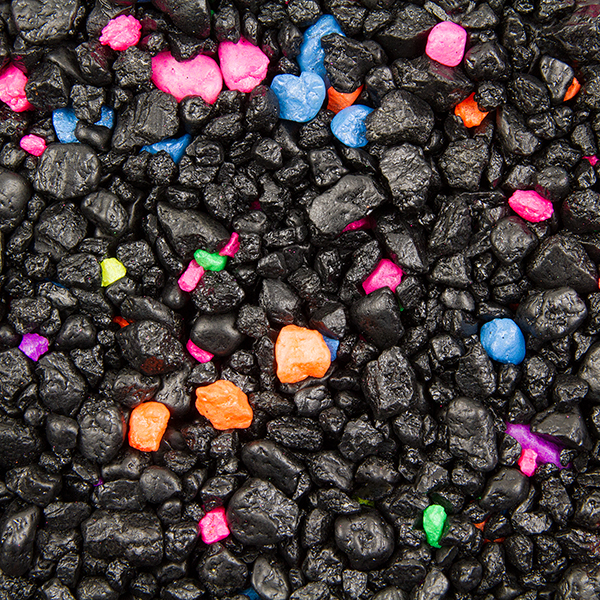
Internet - If your goal is to have a “rave” aquarium, this type of lighting works great. But not so much for live plants. Why is that? Source:
Internet - This light uses a simple on/off switch. You’ll need an aquarium timer to control it. There are no pre-programmed settings or dimming function. Source:
Internet - Light is the most important factor when growing aquarium plants. Without it, your plants simply won't be able to grow. Deciding how much light you need over your aquarium depends on a number of factors.... the plants you would like to grow, how fast you would like them to grow, whether or not you're injecting CO2 into your aquarium, and how much time your are prepared to dedicate to maintaining your plants. Source:
Internet - The most common form of aquarium lighting is T8 and T5 florescent bulbs . Both are capable of growing plants, however T5's are recommended. T5 bulbs are more powerful, and better suited to growing aquarium plants in a densely planted setup. One full length T5 bulb is often enough to grow most aquarium plants. Plants that have high demands may require two full length T5 bulbs. Source:
Internet - With this in mind, choosing the correct planted aquarium LED light should be one of the most important decisions a planted tank enthusiast should consider. In this blog post, we’ll breakdown our favorite planted aquarium tank LED lights: Twinstar, ONF and Ultum Nature Systems Titan 1. We’ll include real life examples and tests that we have performed over the course of 8 – 12+ months on our own planted aquarium tanks. Source:
Internet - Enhances blue, green, and red colors. Combining a little crispness of bright white with eye-popping royal blue, this combination is the ideal color spectrum for cichlids and tetra tanks. The royal blue greatly enhances the blues and reds commonly found in these fish, while a bit of white reflects scales brilliantly and producing soft shimmer effects. Source:
Internet
 Save
Save
Here are a few tips to help you find information about Best Submersible Aquarium Light For Plants: - Look for good places to get information about Lighting Guide For Low-Tech Planted Aquariums. This can be done in libraries, on websites, or even by paid journalists. - When looking for information about What Color Light Is Best For Aquarium Fish, it's important to know that there are different kinds of online sources, like Google and YouTube. Social media sites like Facebook and Twitter are also good places to look for information about Best Led Aquarium Lighting For Plants.
# Video | Best Light Color For Aquarium Plants
To get the best information about How to Choose the Best Color Spectrum for your Freshwater Fish, you should read to find out how true each source is.
This article has a few videos from different places about Best Light For Aquarium that will help you learn more about it. The Internet is a great place to find out about a wide range of things.
Here are some crucial aspects concerning best light color for aquarium plant growth:
- Best Light Color For Aquarium Plants
- Best Light Colour For Aquarium Plants
- Best Light Color For Aquatic Plants
- Best Light Color For Aquarium Plant Growth
- Best Light Color For Freshwater Aquarium Plants
 Save
Save
With so many websites and forums that talk about What Color Light Is Best For Aquarium Fish, it shouldn't be hard to find what you need.
Most people are used to getting information about Best Submersible Aquarium Light For Plants in a very different way than this. It lets you look at the information about Will Aquarium Plants Grow Under LED Lights – The Answer and how it can be used in more detail.
 Save
Save
ways to put information about Best Aquarium Light To Prevent Algae in a way that looks good and is useful. They can be used in business and marketing, and they can also be used to talk about What Color Light Is Best For Aquarium Fish. So, we also give you some pictures about Is Red Light Good For Aquarium Plants.
In the end, this article gives a summary of best light color for aquarium plant growth. Also talked about are What Color Light Is Best For Aquarium Plants and best light colour for aquarium plants, which you can use to compare how much you know about Best Submersible Aquarium Light For Plants.
Reference:
https://cassandraanthony.blogspot.com/2022/11/six-things-you-should-know-about-live.html